
 Free SEO audit with a revenue-ranked plan
How to Optimize Your eCommerce Store for Voice Search
Voice search is no longer a novelty. It has become a mainstream way for shoppers to find products, compare prices, and make purchases. With smart speakers like Amazon Echo and Google Home in millions of homes, and voice assistants on every smartphone, optimizing your eCommerce store for voice search is now a critical part of any digital marketing strategy.
In this guide, we break down exactly how to optimize your eCommerce store for voice search so you can capture more traffic, increase visibility, and drive more sales from this rapidly growing search channel.
Why Voice Search Matters for eCommerce
According to research from Think with Google, more than 27% of the global online population is using voice search on mobile. Voice search queries have unique characteristics that set them apart from typed searches:
- They are longer and more conversational
- They often include question words like “what,” “where,” “how,” and “which”
- They are frequently local in nature
- They tend to carry higher purchase intent compared to generic typed queries
For eCommerce businesses, this shift means that optimizing for the way people speak, not just the way they type, is now essential for staying competitive in search rankings. Shoppers who use voice search are often ready to act, which makes voice-driven traffic highly valuable for online stores.
Understanding How Voice Search Works
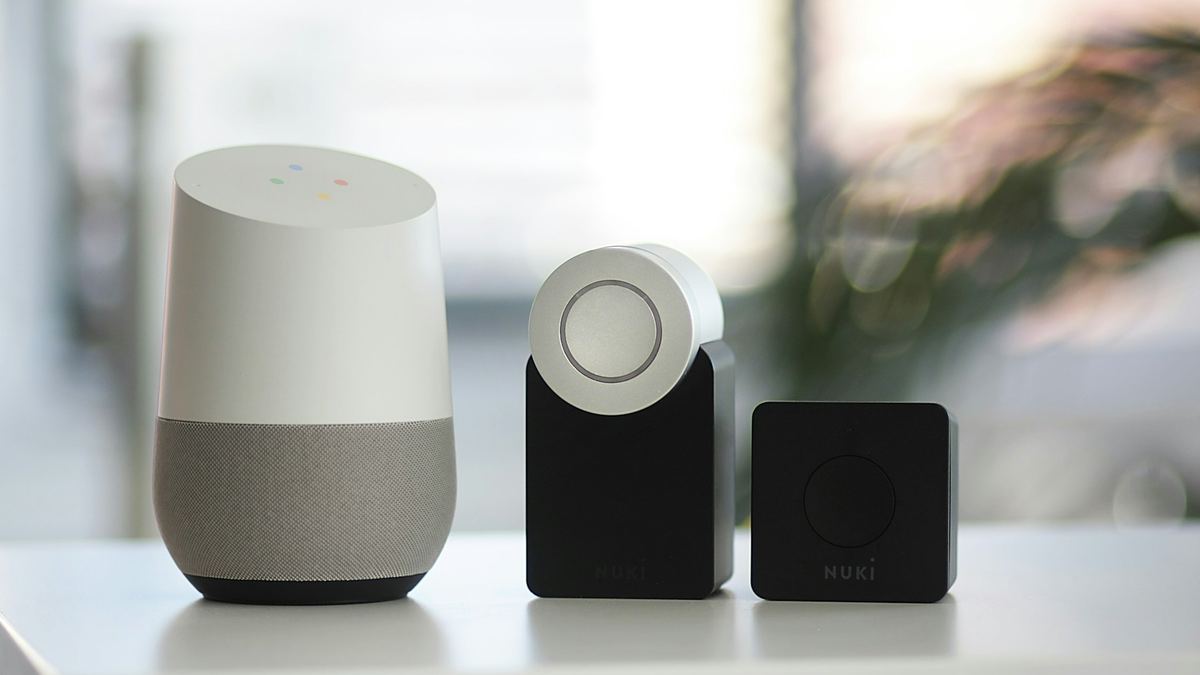
When someone uses voice search, digital assistants like Siri, Google Assistant, or Alexa process their spoken query and return a single spoken answer or a short list of results. Unlike traditional search where users see ten results and can scroll through options, voice search delivers one primary answer.
This means the competition for voice search results is intense. If your eCommerce store is not in the top position, specifically in the featured snippet or local pack, you are unlikely to be heard at all. Understanding this reality shapes every strategy in this guide.
Voice assistants pull answers from several sources including Google’s featured snippets, local business listings, and product databases. Each of these represents an opportunity for your eCommerce store to appear in voice search results.
1. Target Conversational Long-Tail Keywords
Traditional keyword research focuses on short phrases like “running shoes” or “buy headphones.” Voice search optimization requires you to think differently. People speak in natural language, using full sentences and questions.
Instead of targeting “running shoes women,” optimize for “what are the best running shoes for women with wide feet?” These long-tail, conversational keywords are exactly what voice search users say out loud.
Practical steps for conversational keyword research:
- Use tools like AnswerThePublic to find question-based search queries related to your products
- Check Google’s “People Also Ask” section for question-based keywords in your niche
- Review your site’s internal search bar queries to find how customers already describe your products
- Create content that answers these questions directly and concisely
- Focus on phrases that start with who, what, where, when, why, and how
These question-based phrases are the backbone of voice search queries and give you a clear roadmap for content creation across your entire store.
2. Optimize for Featured Snippets
Google’s featured snippets, also called “position zero,” are the single most important real estate for voice search. When Google Assistant answers a voice query, it almost always reads the featured snippet aloud. Winning a featured snippet is the closest thing to guaranteed voice search visibility.
To optimize your eCommerce content for featured snippets:
- Identify queries where your product pages or blog posts could answer a specific question
- Structure your content with a clear, direct answer in the first paragraph after each heading
- Use numbered lists, bullet points, and tables for step-by-step content and comparisons
- Keep your answer concise. Google typically pulls snippets of 40 to 60 words
- Include the target question as an H2 or H3 heading, then answer it directly below
For example, a product category page for wireless earbuds could include an FAQ section answering “Which wireless earbuds have the best battery life?” with a direct, concise answer that Google can easily extract and read aloud.
3. Create Comprehensive FAQ Pages and Sections
FAQ sections are a goldmine for voice search optimization. They naturally mirror the way people ask questions, and they give you a structured way to target dozens of conversational keywords at once without creating separate landing pages for each query.
For your eCommerce store, create FAQ sections on:
- Individual product pages addressing common pre-purchase questions
- Category pages answering broad product category questions
- Shipping, returns, and payment pages addressing service and policy questions
- A dedicated store FAQ page for brand and process questions
Each FAQ answer should be clear, concise, and written in natural language. Avoid technical jargon and get to the point within two to three sentences. Remember that voice assistants will read this content aloud, so it needs to sound natural when spoken.
4. Implement Structured Data Markup
Structured data, or schema markup, helps search engines understand your content better and is a key factor in winning rich results and featured snippets that feed voice search answers. Without structured data, you are relying on Google to guess the meaning of your content rather than being explicit about it.
For eCommerce stores, the most important schema types include:
- Product schema: Name, price, availability, ratings, and reviews
- FAQ schema: Question and answer pairs that can appear directly in search results
- Review schema: Star ratings that signal trust to search engines and shoppers
- BreadcrumbList schema: Helps Google understand your site structure and hierarchy
- LocalBusiness schema: Essential if you have a physical store alongside your eCommerce presence
- Offer schema: Pricing and availability data that helps Google understand product listings
You can validate your structured data using Google’s Rich Results Test and reference the full schema library at Schema.org. Implementing even the basic product and FAQ schemas can make a significant difference in your voice search visibility.
5. Improve Page Speed and Core Web Vitals
Voice search heavily favors fast-loading websites. Google’s algorithms prioritize pages that load quickly, particularly on mobile devices where the majority of voice searches take place. A slow website not only frustrates users but also signals to Google that your store may not provide a quality experience.
Key page speed improvements for eCommerce stores include:
- Compress and optimize product images using next-gen formats like WebP
- Minimize JavaScript and CSS files to reduce render-blocking resources
- Use a content delivery network (CDN) to reduce load times for shoppers in different locations
- Enable browser caching for repeat visitors to speed up return sessions
- Choose a reliable hosting provider with fast server response times under 200ms
- Eliminate unnecessary third-party scripts and plugins that slow down your storefront
Use Google PageSpeed Insights to audit your store and get specific, actionable recommendations for improvement. Aim for a score above 80 on mobile to compete effectively in voice search.
6. Make Your Store Fully Mobile-Friendly
The vast majority of voice searches happen on mobile devices. If your eCommerce store is not optimized for mobile, you are losing voice search traffic before it even reaches you. Google uses mobile-first indexing, meaning it crawls and ranks the mobile version of your site first.
Mobile optimization for voice search includes:
- Responsive design that adapts fluidly to all screen sizes
- Large, easy-to-tap buttons and clear, intuitive navigation
- A simplified checkout process that works smoothly on small screens
- Readable font sizes without requiring the user to zoom
- Fast mobile load times under three seconds
- No intrusive pop-ups or interstitials that block content on mobile
Run your store through Google’s Mobile-Friendly Test to identify any issues that could hurt your mobile and voice search performance. Fix critical issues before moving on to other optimizations.
7. Optimize for Local Voice Search
A significant portion of voice searches are local in nature. Queries like “where can I buy hiking boots near me” or “best online furniture store in Melbourne” are common and growing each year as voice assistants become more location-aware.
Even if you run a purely online eCommerce store, you can benefit from local voice search optimization:
- Claim and fully optimize your Google Business Profile with accurate business information
- Include your city, region, or country in page titles and meta descriptions where relevant to your audience
- Build local citations and directory listings for brand name consistency across the web
- Encourage customer reviews on Google, which build trust and generate important local ranking signals
If you also have a physical retail presence alongside your online store, local voice search optimization becomes even more critical. You can learn more about the key differences and overlaps in our guide on eCommerce SEO vs Local SEO vs International SEO.
8. Write Product Descriptions in Natural Language
Most eCommerce product descriptions are written primarily for search engines rather than for real people. Voice search changes this dynamic significantly. Product pages need to speak to shoppers the way a knowledgeable and helpful store assistant would in person.
Write product descriptions that:
- Answer the most common questions about the product directly in the first paragraph
- Use natural, conversational language without keyword stuffing or robotic phrasing
- Address key purchase concerns like sizing, compatibility, durability, and care instructions
- Include the product’s primary benefits in the first two sentences before diving into features
- Mirror the way a customer would describe the product when asking a friend for a recommendation
Think about what a customer would actually ask a salesperson before buying, and answer those questions proactively in your product copy. This approach serves both voice search users and traditional shoppers equally well.
9. Build a Strong Internal Linking Structure
Internal links help search engines crawl your site more effectively and distribute authority across your pages. For voice search, a strong internal link structure ensures that your most important pages get the visibility and ranking power they need to appear in voice results.
Connect your product pages to relevant blog posts, your FAQ pages to related category pages, and your category pages to individual products. This interconnected structure helps Google understand your store’s topical authority and depth of coverage across your niche.
If you are also working to optimize your store for AI-powered recommendations and large language models alongside voice search, check out our detailed guide on how to optimize your eCommerce store for LLMs for a complementary set of strategies.
10. Use Conversational Blog Content to Capture Voice Traffic
A blog is one of the most effective tools for capturing long-tail voice search traffic at scale. By writing long-form, conversational content that answers the questions your target customers are actually asking, you can win featured snippets and rank for dozens of voice search queries with a single well-crafted post.
Content ideas for an eCommerce blog targeting voice search include:
- “What is the best [product type] for [specific use case]?”
- “How do I choose the right [product] for my needs?”
- “What should I look for when buying [product]?”
- “How long does [product] last before needing replacement?”
- “Is [product A] better than [product B] for [specific purpose]?”
Each post should have a clear structure with short paragraphs, and direct answers placed at the top of each section to maximize your chances of being selected as the featured snippet Google reads aloud.
11. Leverage Customer Reviews for Voice Search Signals
Customer reviews do more than build social proof. They generate natural, conversational language on your product pages that closely matches the way voice search users phrase their queries. Reviews often contain long-tail keywords and specific product questions that you might never think to target yourself.
To maximize the value of reviews for voice search:
- Encourage customers to leave detailed, descriptive reviews after purchase
- Respond to reviews publicly, which adds more keyword-rich content to your pages
- Implement review schema markup so Google can display star ratings in search results
- Feature top reviews prominently on product pages to increase time on site and engagement
Sites with consistent positive reviews also tend to rank higher in local voice search results, making review generation an important ongoing activity for any eCommerce store.
Measuring Your Voice Search Optimization Progress
Tracking voice search performance is challenging because Google does not provide separate voice search data in Google Search Console. However, you can measure strong proxy indicators that reflect your voice search visibility:
- Track rankings for your targeted question-based keywords using tools like Ahrefs or SEMrush
- Monitor featured snippet wins and losses in Google Search Console using the Search Appearance filter
- Track impressions and clicks for long-tail, question-based queries in Search Console
- Monitor organic traffic from mobile devices, which correlates strongly with voice search usage
- Watch for increases in zero-click search traffic, which often indicates featured snippet wins
Review these metrics monthly and adjust your keyword strategy and content based on what is gaining traction. Voice search optimization is an ongoing process, not a one-time project.
Final Thoughts
Optimizing your eCommerce store for voice search is not about chasing a passing trend. It is about meeting your customers where they are and being present in the moments when they are ready to discover and buy products. As more shoppers use voice assistants to research and purchase products, the stores that have prepared for this shift will hold a significant competitive advantage over those that have not.
Start with conversational keyword research, build out your FAQ sections, implement structured data, and focus on mobile speed and usability. These foundational steps will put your eCommerce store in a strong position to capture voice search traffic and turn spoken queries into real conversions.
Voice search is growing every year. The question is not whether it matters for your store. The question is whether your store is ready to be heard.
Related reading

Ready to Grow Your Organic Traffic?
Let VYRO build and execute the right SEO strategy for your business - from local to international.